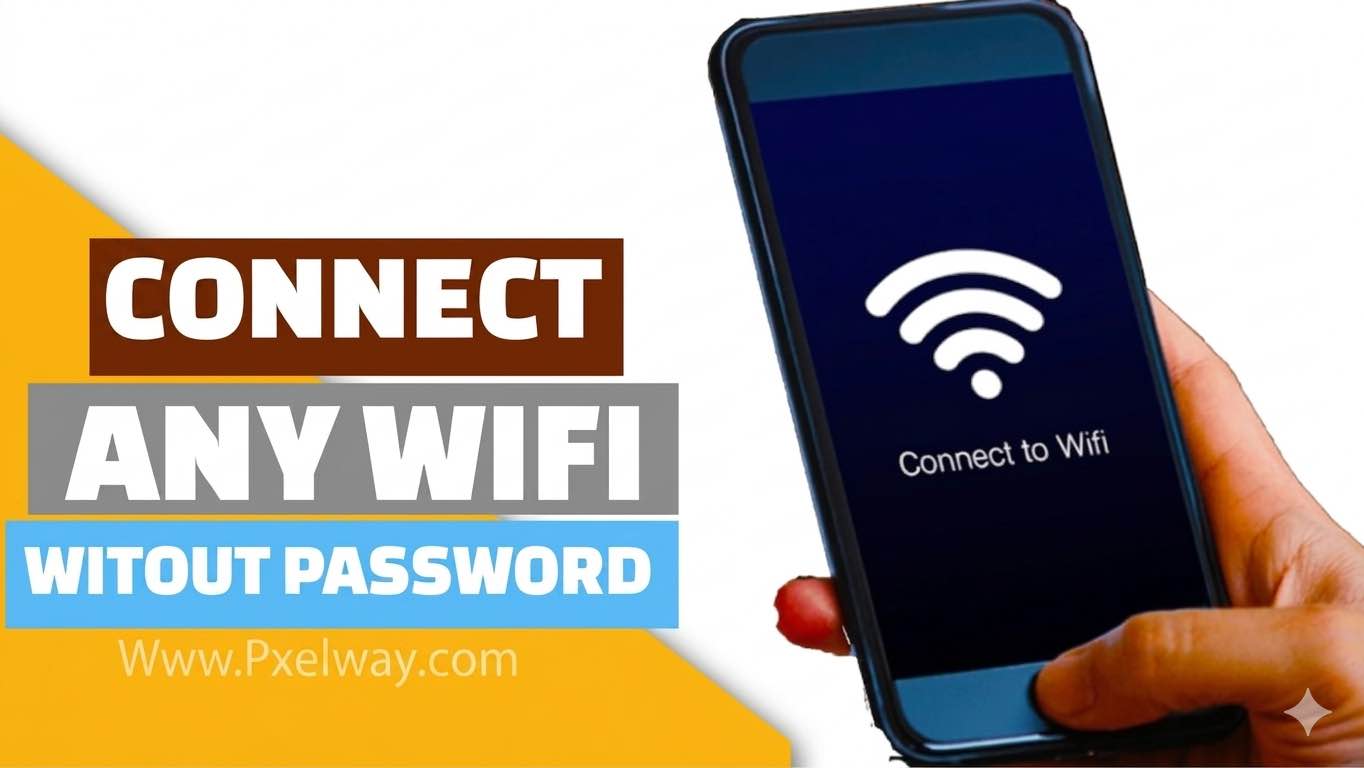
In today’s digital era, technology has advanced a lot. Now everyone has mobile phones, a person can live without everything, but without a mobile phone and the internet, they can’t live at all. Now the internet has become a basic need in every home. But not everyone has the money to buy paid Wi-Fi; they don’t have the funds, so people often look for free or low-cost internet options. They keep searching for them. So yes, today we will guide you through safe and practical methods to access the internet.
Number one: a public Wi-Fi access point.
Cafes, restaurants, shopping malls, airports, and libraries often provide free internet. You can go to those places and use free internet. But the most important thing is that public Wi-Fi is not secure. So banking or personal login information should not be used here at all.
Number two: a free Wi-Fi hotspot.
Some internet service providers and mobile companies allow their users to access a hotspot. You can check with your provider whether a free hotspot is available in your area or not. If it is available there, then you will be able to use free internet and get your work done. Which is really a very interesting thing
Number three: a hotspot.
If you have a mobile data package, then you can set your phone as a hotspot and give internet to another device. This is very useful for temporary internet access at home. It’s very useful. And many people also use their devices like this to get the internet. But the important thing is that data usage can be quickly reduced. Because the data goes through your mobile to your other device. So monitoring usage is also very important.
Number four: Wi-Fi sharing apps.
Some apps share nearby Wi-Fi networks and help you detect them. Through these apps, users can access each other’s internet and share it. But the important point here is that the person whose internet you’re using, you’ll need to take permission from them, otherwise it counts as illegal and digital theft.
Number five: government internet programs
In some countries, for low-income facilities, there are free or discounted internet schemes as well. These are the kinds of people who can use them whose families are poor. You can use your local telecom authority or check the eligibility of government programs. If you’re eligible, then you too can use free internet charges at a discounted price and use the internet.
Number six: public libraries.
Libraries are a safe and stable free Wi-Fi source. This is the best option for students and freelancers. Those who use the internet for work or study can use the library alongside their studies and do their work as well. Which is truly a very interesting and excellent thing.
Number seven: Wi-Fi extender and booster.
If your home already has Wi-Fi but the signal is very weak or very low, then by using a Wi-Fi extender, you can improve your coverage a lot. This helps cover the dead zone, and your experience also improves, and your performance turns out better.
Number eight: Wi-Fi analyzer tools.
Some apps detect nearby Wi-Fi networks and help you select the best signal. This tool helps make the connection more stable and is very helpful. Number nine: always ask for permission. If you want to use anyone’s Wi-Fi, then always ask for their permission first. Unauthorized access is illegal and unauthorized. And if any kind of data loss happens, and they file a police complaint, then the police may suspect you.
Conclusion:
There are multiple legal and safe ways to get free Wi-Fi. They are available. Public houseboat ports, public free libraries, mobile houseboat ports, government programs, with programs like these, you can use free internet. But it’s always very important to take care of security and privacy, especially when using public networks. Some public networks are in the same category, where if someone comes to use the internet, and when they use it, they hack all their data, and they also hack their device. That’s why always stay careful and take full care of your privacy and security.